They can look identical from the outside. They can feel similar from the inside. But they are not the same thing: and treating them as if they are causes real harm.

The Difference Between Depression and Autistic Shutdown
You stop responding to messages. You cancel plans. You lie in bed longer than you should. You feel nothing, or something so diffuse and heavy it does not have a name. You cannot explain it to anyone, including yourself.
Is this depression? Is this shutdown? Does it matter?
It matters a great deal, not because one is worse than the other, but because they have different causes, different timelines, and different responses. Treating a shutdown like depression can extend it. Treating depression like a shutdown can leave it unaddressed. And for many autistic and AuDHD people, the two can occur simultaneously, which makes everything harder to parse.
Here is what the distinction actually looks like.
What Autistic Shutdown Is
Shutdown is a nervous system response to overload. It is what happens when the cumulative demand on your system, sensory input, social processing, emotional regulation, executive function, masking, exceeds what your nervous system can sustain.
The result is a kind of enforced withdrawal. Your system pulls back from external engagement to protect itself. Speech may become difficult or impossible. Processing slows. Emotional responsiveness flattens. The ability to initiate anything, including basic self-care, drops significantly.
From the outside, this looks like depression. From the inside, it can feel like depression. But the underlying mechanism is different: shutdown is not a mood disorder. It is a capacity issue. Your system is not broken. It is overdrawn.
The key features of shutdown:
- It follows a period of high demand (social, sensory, cognitive, or emotional)
- It tends to lift with genuine rest and reduced input, not with activity or engagement
- It is not accompanied by the persistent negative self-narrative that characterizes depression
- It can resolve relatively quickly once the overload source is removed
What Depression Is
Depression is a mood disorder with neurological underpinnings. It involves persistent low mood, loss of interest or pleasure, changes in sleep and appetite, difficulty concentrating, and often a pervasive sense of worthlessness or hopelessness.
Depression does not require a triggering event, though it can be triggered. It does not resolve with rest alone. It tends to involve a particular quality of thought, a negative cognitive filter that colors everything, including the past and the future.
For autistic people, depression is also common, at significantly higher rates than in the neurotypical population. This is partly due to the chronic stress of navigating a world not designed for your nervous system. Partly due to late diagnosis and years of not understanding why things were harder for you than they seemed to be for everyone else. Partly due to the grief that can accompany that understanding when it finally arrives.
Where They Overlap
The overlap is real and significant.
Both involve withdrawal. Both involve reduced capacity. Both can involve emotional flatness. Both can make it impossible to do things you know you need to do.
Essays like this, in your inbox
New writing on neurodivergent experience, dark fiction, and the book — no noise.
Autistic burnout, a longer-term state that can follow sustained overload, shares features with both. It involves the capacity depletion of shutdown alongside the persistent low mood and loss of function associated with depression. Many people in burnout are also clinically depressed. The two are not mutually exclusive.
The complication is that standard depression treatments, particularly the ones that emphasize behavioral activation, social engagement, and pushing through, can actively worsen shutdown and burnout. If your system is depleted, adding demand does not help. It accelerates the depletion.
How to Tell Them Apart (Approximately)
There is no clean diagnostic line, but some questions can help:
What preceded this? If there was a period of high demand, a major social event, a change in routine, sustained sensory overload, an extended period of masking, shutdown is more likely to be a significant factor.
Does rest help? Genuine rest, low stimulation, low demand, no performance, tends to move shutdown. It does not reliably move depression.
What is the quality of the inner experience? Shutdown often involves a kind of blankness or absence. Depression tends to involve a presence, a persistent negative narrative, a sense of hopelessness, a feeling that things will not improve.
How long has it lasted? Shutdown, with adequate rest, often resolves within days to a few weeks. Depression that persists for more than two weeks, particularly with the cognitive features described above, warrants professional support.
Why This Matters for Treatment
If you are in shutdown and you treat it like depression, pushing yourself to engage, to activate, to be social, you are likely to extend it. The nervous system needs to recover, not perform.
If you are depressed and you treat it like shutdown, waiting for rest to fix it, you may be waiting a long time. Depression often requires intervention: therapy, medication, or both.
The most useful approach for many autistic and AuDHD people is to hold both possibilities simultaneously. To ask: is my system depleted, or is my mood disordered, or both? And to respond accordingly, with rest where rest is needed, and with support where support is needed.
Neither state is a character flaw. Neither is a failure of will. Both are your nervous system communicating something true about what it needs.
The work is learning to listen to it accurately.
Further reading from the Journal:
Explore Topics
Written by
L. C. Dialogos
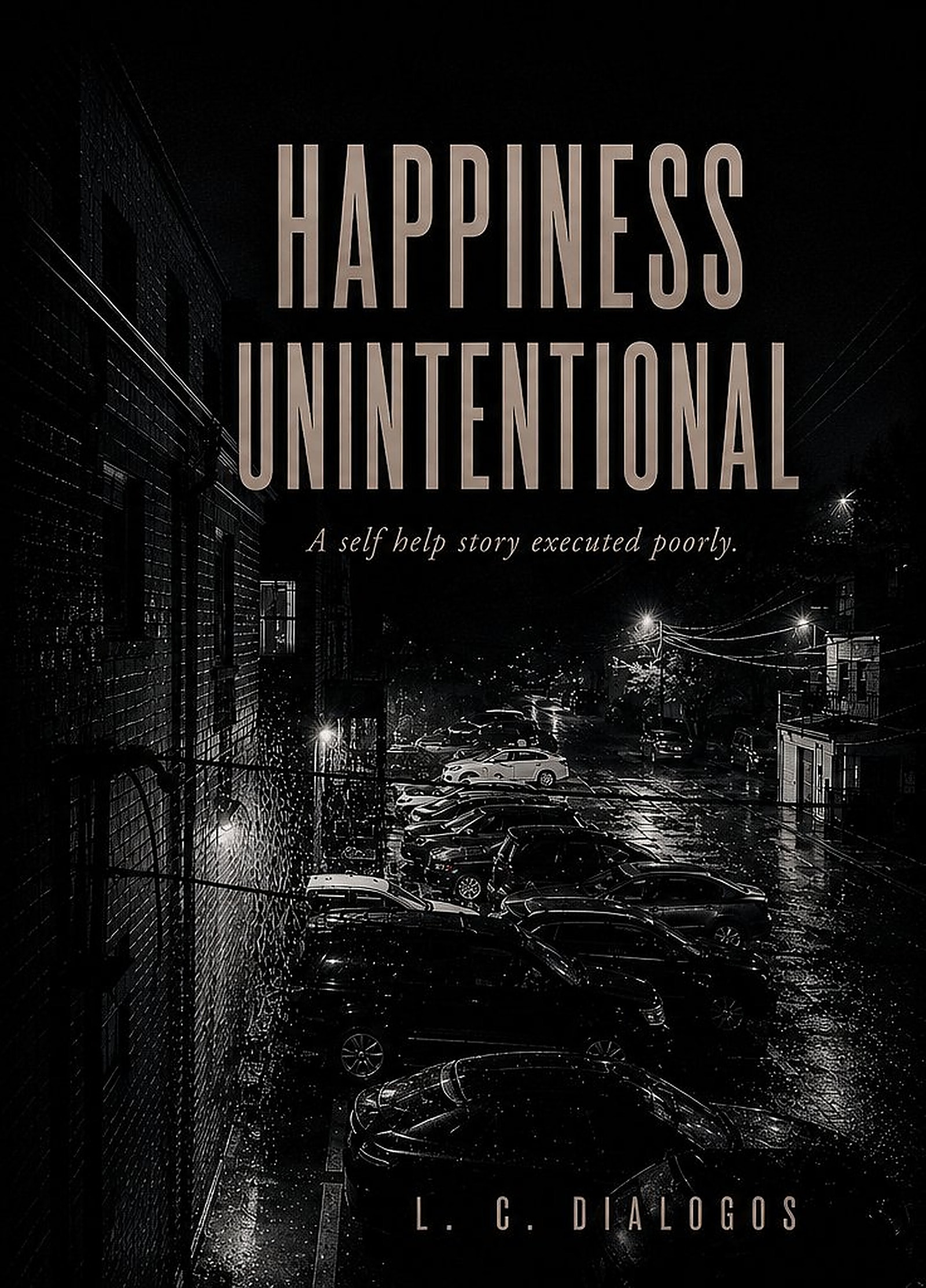
L. C. Dialogos writes dark psychological fiction exploring identity crisis, emotional numbness, and the anxiety of performing a self you're no longer sure exists. Influenced by Cronenberg, Lynch, and interdisciplinary frameworks spanning anthropology, neurology, and experimental literature. About the author →
.png)